


6 min read
Healing is a Lifelong Journey
By: OHI on Apr 6, 2026, 5:00:00 AM
Healing can sometimes feel like running a marathon with no finish line. You put in effort, make progress, and then — suddenly — you stumble into old patterns. It can be frustrating. You might think, “Why am I back here again?”
Here’s the truth: Healing isn’t about reaching the end. It’s about growing stronger, more resilient, and more compassionate each time you return.
Far from being a setback, each recommitment wires your brain for deeper resilience, calms your nervous system, and reinforces your capacity for well-being. At OHI, we believe that staying committed to your healing journey is not about force — it’s about cultivating grace, presence, and steady practices supported by science.
Healing is Not a Straight Line
If healing feels cyclical rather than linear, that’s because it is. Growth often looks more like a spiral than a straight path. Science explains why:
- Neuroplasticity makes progress possible. The brain never stops changing. Every mindful breath, every kind word to yourself, and every boundary you set strengthens new neural pathways. These rewired circuits slowly make healthier responses feel more natural.
- Old wounds return for deeper healing. Psychology research shows that past experiences often re-emerge in new life stages. This isn’t failure — it’s an opportunity to process with greater wisdom and tools than before.
- The goal is not completion — it’s expansion. Just as the body’s muscles strengthen through repetition, emotional and spiritual resilience grow through cycles of practice.
The Canadian psychologist Donald Hebb, often called the father of neuropsychology, captured this truth in his famous principle: “Neurons that fire together, wire together.” Every time you choose a healing act, you’re not just “doing better” — you’re rewiring your brain for long-term change.
Why Commitment Feels Hard Sometimes
Falling off track doesn’t mean you’re failing — it means you’re human. Here are three truths science tells us about roadblocks:
- Self-criticism fuels stress. Shame activates the amygdala, the brain’s fear center, flooding the body with stress hormones like cortisol. In contrast, research by Dr. Kristin Neff shows that self-compassion lowers cortisol and boosts oxytocin, helping you feel safe and capable of trying again.
- Overload hijacks your nervous system. According to Dr. Stephen Porges’ Polyvagal Theory, when the body feels unsafe, it prioritizes survival over reflection. That’s why it’s harder to meditate, journal, or exercise when you’re stressed — the nervous system must first be regulated before deeper healing can occur.
- Unrealistic comparisons drain motivation. Behavioral scientists note that comparing yourself to “perfect” routines on social media creates discouragement rather than inspiration. The science of motivation shows that small, achievable goals are far more effective at creating lasting change.
When you understand these dynamics, you can replace self-blame with self-awareness — and choose strategies that actually work.
The Science of Staying the Course
Your brain and body are built to support long-term growth. Here are seven ways to use biology to stay committed with grace.
Work With the Habit Loop - Research by Charles Duhigg and BJ Fogg highlights the power of the cue/routine/reward cycle.
-
Cue: Link new habits to existing ones — journal after brushing teeth, breathe deeply before meals, etc.
-
Routine: Keep it short and realistic. Even two minutes counts.
-
Reward: Focus on the immediate payoff — calm, clarity, or pride.
The more you repeat the loop, the more automatic it becomes.
Start with Micro Goals - James Clear’s Atomic Habits research shows that habits stick when tied to identity. Instead of huge, overwhelming goals, choose micro-ones that reinforce who you are.
-
“I’m someone who pauses before reacting.”
-
“I drink a glass of water each morning.”
-
“I walk outside to reset my mood.”
These small shifts compound into meaningful transformation.
Harness the Power of Self-Compassion - Dr. Kristin Neff’s studies show that self-compassionate people are more resilient and motivated after setbacks. Try this technique:
- Place your hand on your chest.
- Take a slow breath.
- Say to yourself: “This is hard. May I treat myself with kindness in this moment.”
Neuroscience confirms that this activates the parasympathetic nervous system, moving you out of stress and into safety.
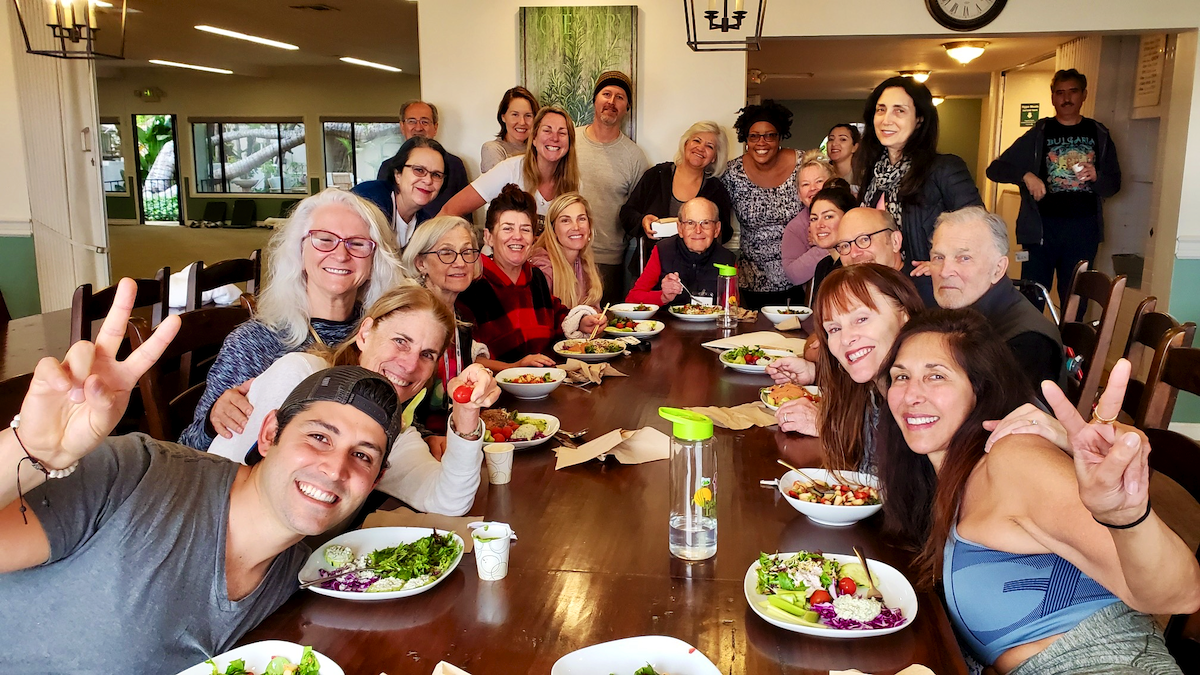
Strengthen Through Community - Humans are social beings. Studies show that connection boosts oxytocin — the bonding hormone — which fosters feelings of safety and belonging. This, in turn, increases motivation and follow-through.
- Join a support circle or retreat.
- Partner with a friend for accountability.
- Share even small wins with people who understand.
You heal more deeply when you don’t go it alone.
Reflect Monthly, Not Daily - Perfectionist daily check-ins can backfire. A monthly review helps you notice growth without pressure:
- What practices served me this month?
- Where did I extend grace to myself?
- What one commitment do I want to carry forward?
This approach leverages the brain’s natural preference for patterns and meaning over micromanagement.
Regulate Before You Reflect - As trauma expert Dr. Bessel van der Kolk emphasizes in The Body Keeps the Score, healing requires safety in the body first before insight in the mind can be achieved. Try:
- Five slow breaths before journaling.
- A short walk before meditation.
- Grounding exercises — like feeling your feet on the floor — before hard conversations.
Regulation primes the brain for reflection, making commitment sustainable.
Celebrate the Return, Not Just the Progress - Behavioral science shows that celebrating effort boosts dopamine, the brain’s reward chemical, which increases motivation.
- Notice when you come back to your practice after time away.
- Say: “I’m proud I returned.”
- Treat every recommitment as a victory, because it is!
A Gentle Reframe: You’re Not Starting Over - When you return to your healing practices after a pause, it’s common to feel you’ve lost progress. Science says otherwise:
- Regression = Feedback, Not Failure. Setbacks highlight where more support is needed.
- Healing is cyclical, not linear. Like spiral learning, you revisit old ground with new wisdom.
- Commitment evolves with seasons. Sometimes your healing looks like a 21-day retreat. Other times, it’s five minutes of deep breathing. Both are valid.
Every return strengthens the pathways you’ve already built. Or as we say at OHI: “Healing doesn’t happen once. It happens every time you choose to return to yourself.”
Staying Committed with Grace
Grace is a necessity to support sustained healing. Thanks to neuroplasticity, the brain has the ability to adapt and grow at any age, making change possible no matter where you are on your journey. The habit loop reminds us that small, repeatable steps matter far more than striving for perfection, and self-compassion helps quiet stress while creating a sense of safety for growth. Healing is also reinforced through community, where connection boosts bonding hormones and strengthens resilience. Finally, practices that regulate the nervous system lay the foundation for deeper emotional healing, allowing true transformation to unfold.
The science is clear: commitment doesn’t require perfection. It requires patience, flexibility, and the willingness to begin again — with kindness.
A Closing Invitation
Right now, take a breath and ask yourself: “What is one small healing commitment I want to return to this month?”
It could be as simple as a daily glass of water, a mindful pause before bed, or reconnecting with your healing community.
And if you’re ready for a deeper re-anchoring, OHI’s 21-day holistic healing program offers exactly that — a community, structure, and practices to help you continue your lifelong healing journey with grace. Join us in this one-of-a-kind nurturing environment to reconnect with yourself and cultivate a deeper sense of peace and purpose in your healing. By embracing healing as a recuring part of your wellness journey, you lay the foundation for lasting resilience, deeper self-awareness, and a life rooted in authenticity and growth.
A wellness retreat at OHI gives you the time and education you need to implement meaningful change in your life. The gift of a healing retreat at OHI promises to be life changing. Call us today (800) 588-0809.